
Food
Photography
We shoot food photography for menus, QR menus, delivery apps and Instagram. We bring the food styling, lighting and surfaces, and shoot each dish the moment it leaves your kitchen, at its real portion size.
Every plate wants its own angle.
Switch the camera angle and turn the dial to move the light. Stacked dishes look best from the side, flat plates from above, most mains from around 45°; the shadow direction shapes the texture.
↳ Tap an angle · drag the light dial or turn it with arrow keys
Light direction · 300°
Mains and desserts: the natural view a diner has at the table.
Side light: texture and volume
Menu and QR menu
Every menu item is shot on the same surface, from the same angle and with the same light, so the dishes look like one cohesive set when they sit side by side on the menu.
Food styling
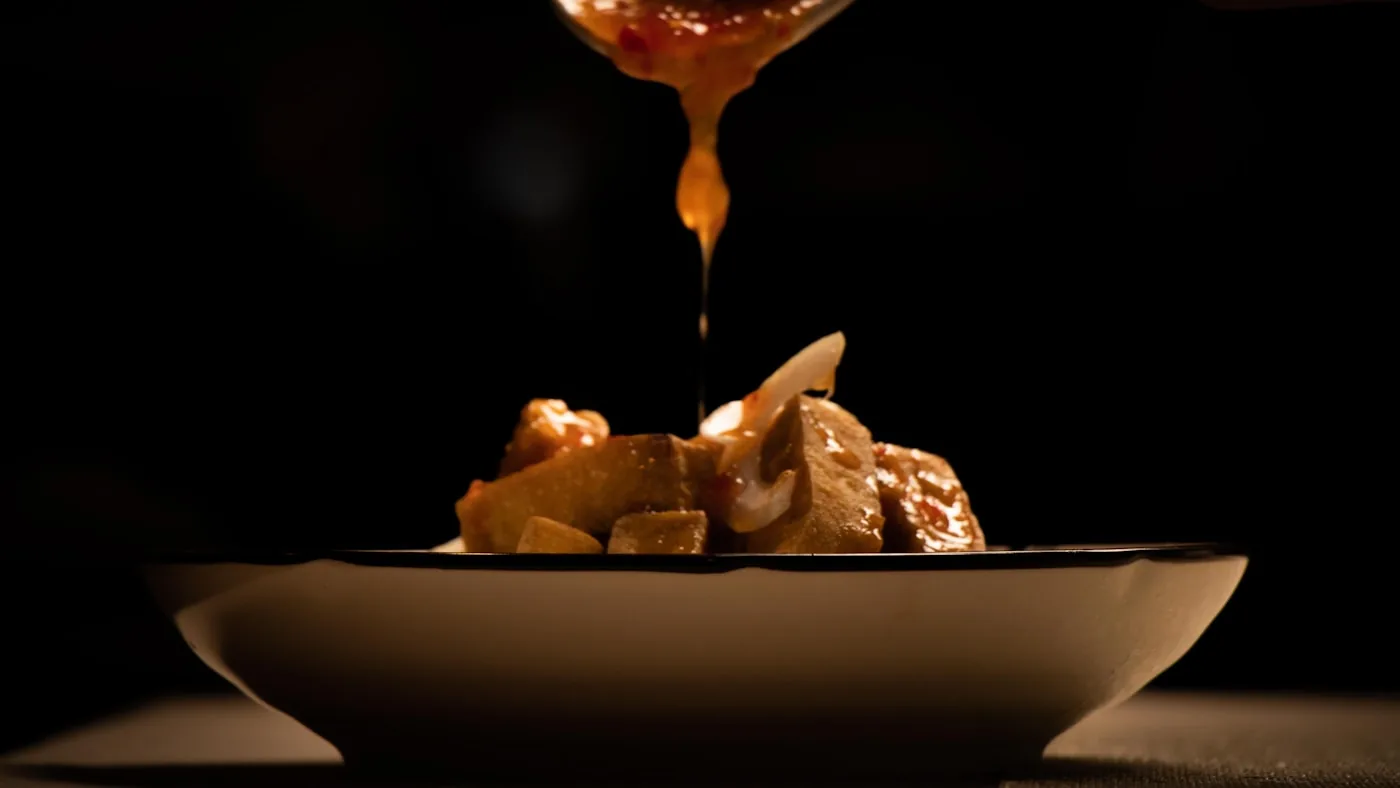
Clean plate rims, glossy sauces, fresh greens and the portion's position in the frame are all adjusted right before the shot.
Venue and atmosphere
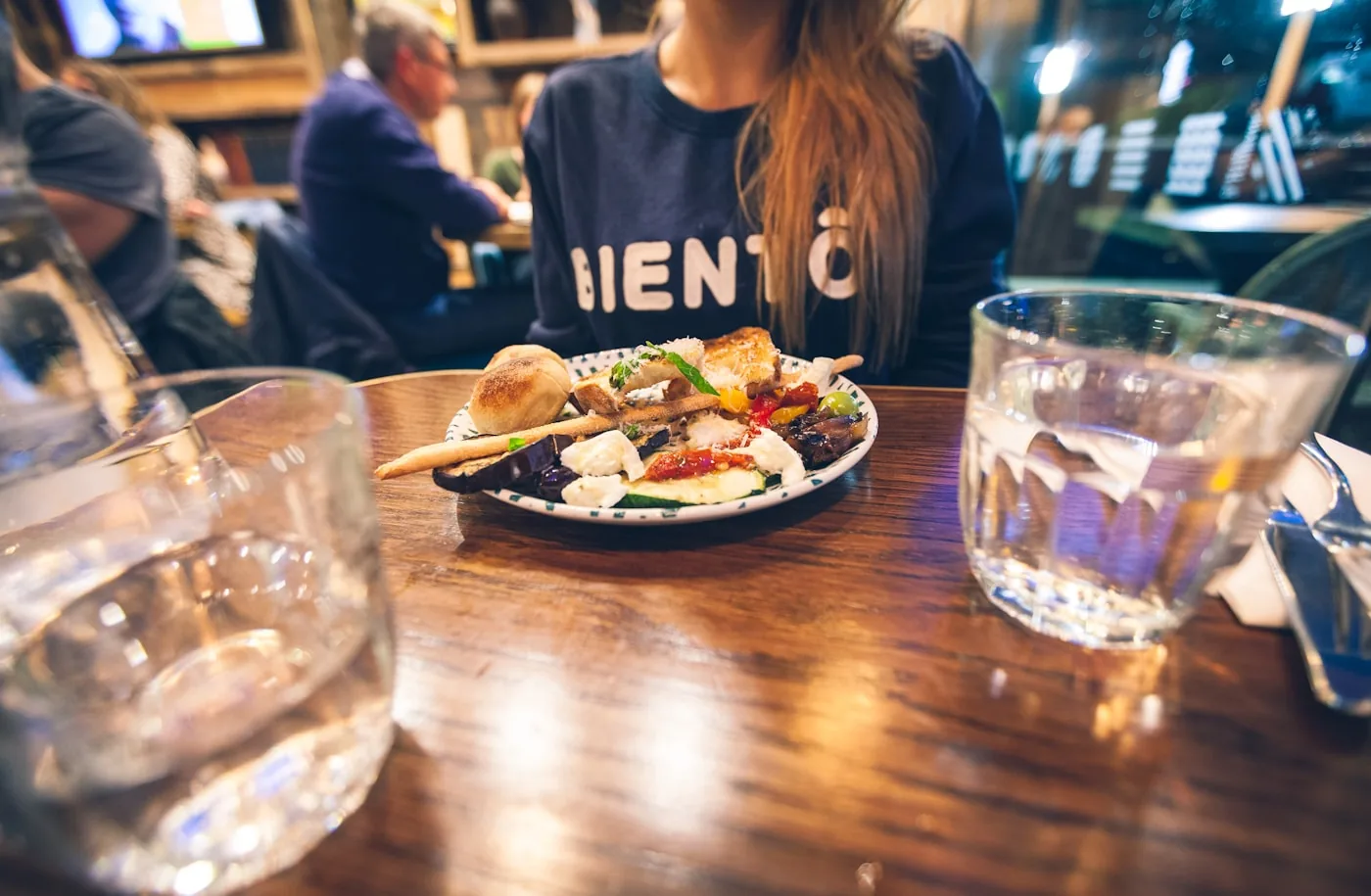
Dining room, bar, terrace, open kitchen and table settings, shot for the person who will see your venue for the first time on Google or a reservation site.
Food delivery apps
Simple compositions and true-to-life portions that still read clearly in the small square previews of apps like Yemeksepeti, Getir and Trendyol Yemek.
Takeout and packaging
Shots of your branded boxes, bowls and bags, showing what the food looks like when it comes out of the package.
With short video
Short clips with the same styling, such as a sauce pour, a cheese pull or a slice, planned separately for Reels and ads.
Four types of shoot by intended use
MENU
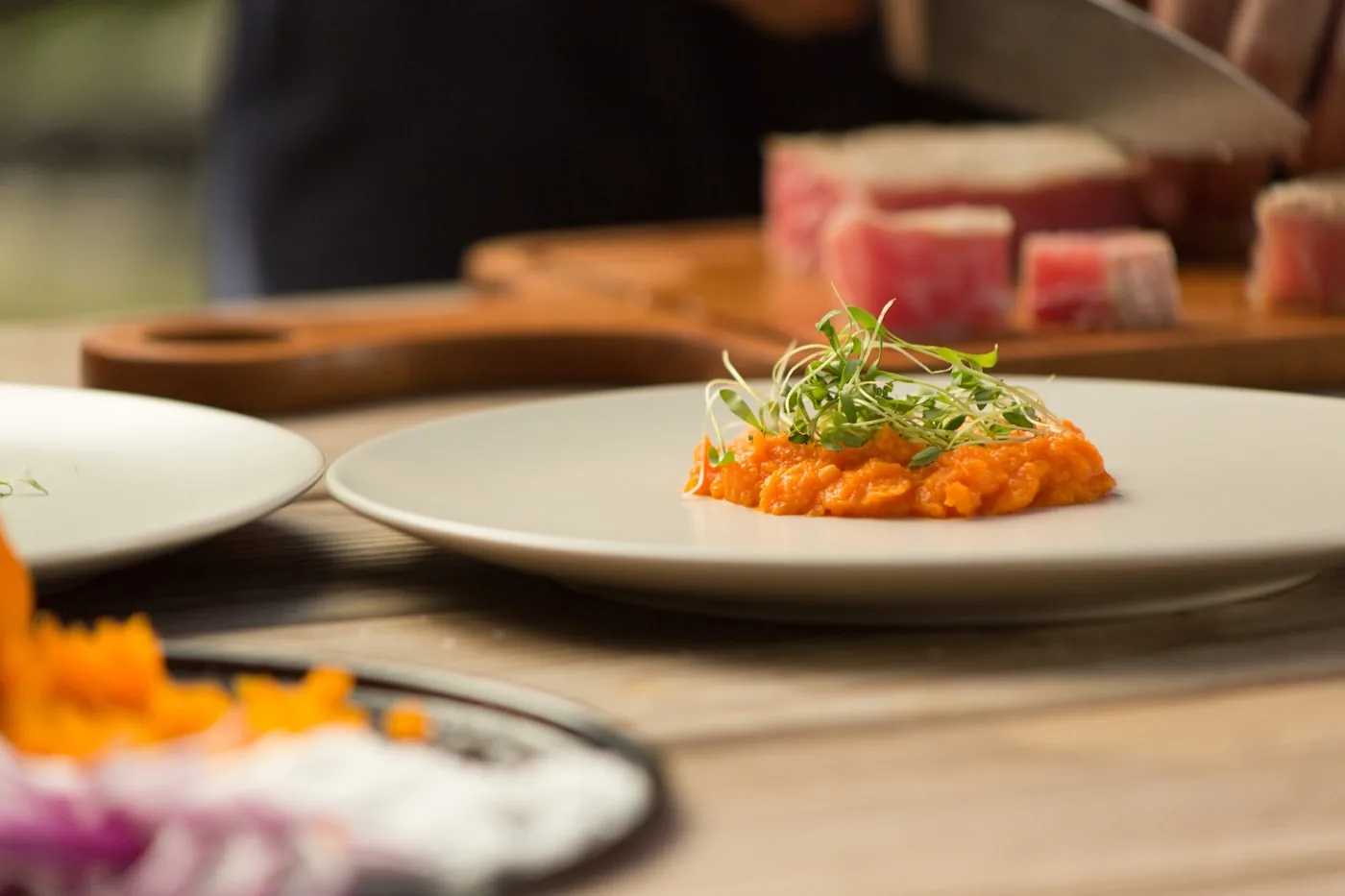
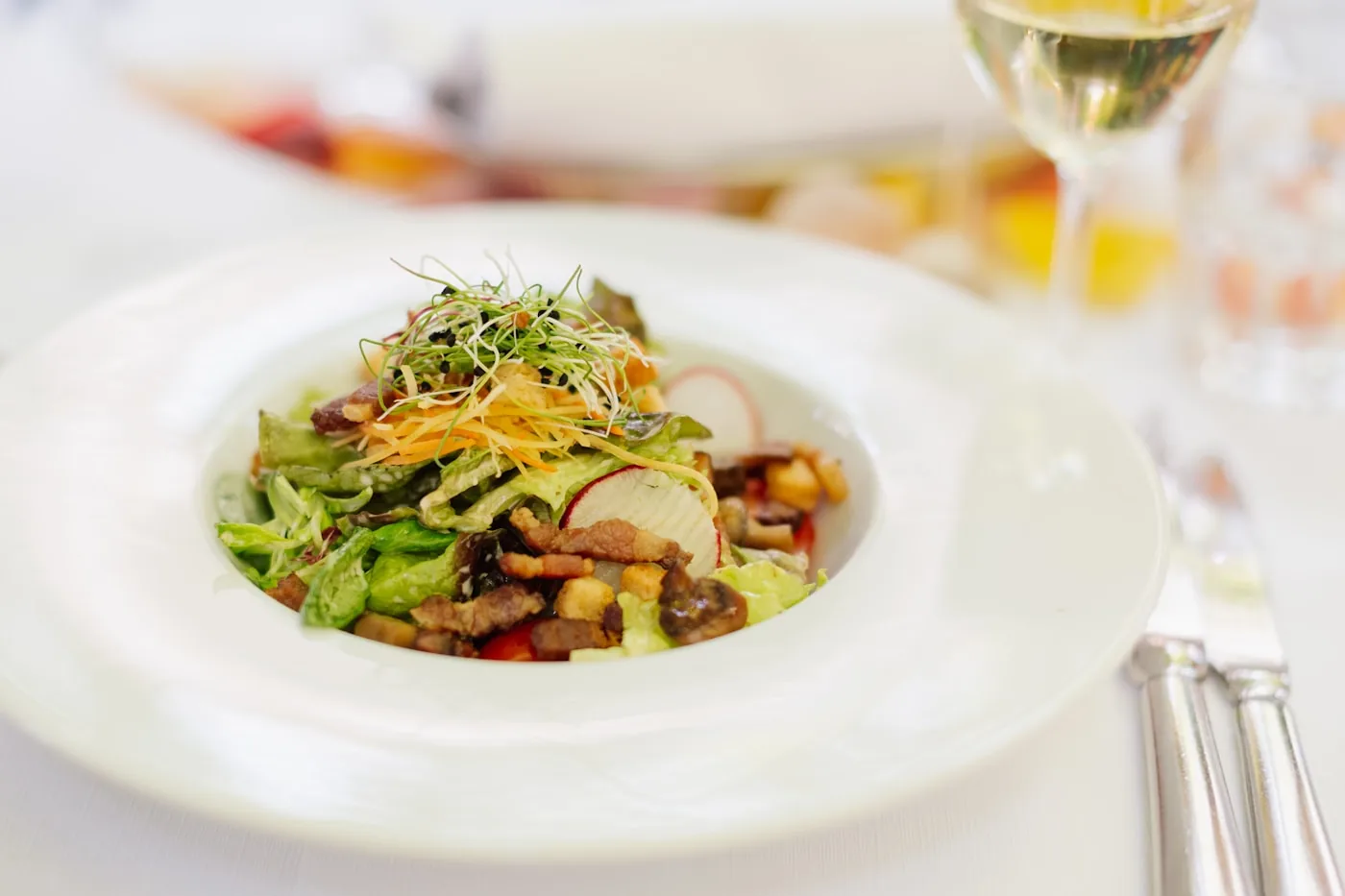
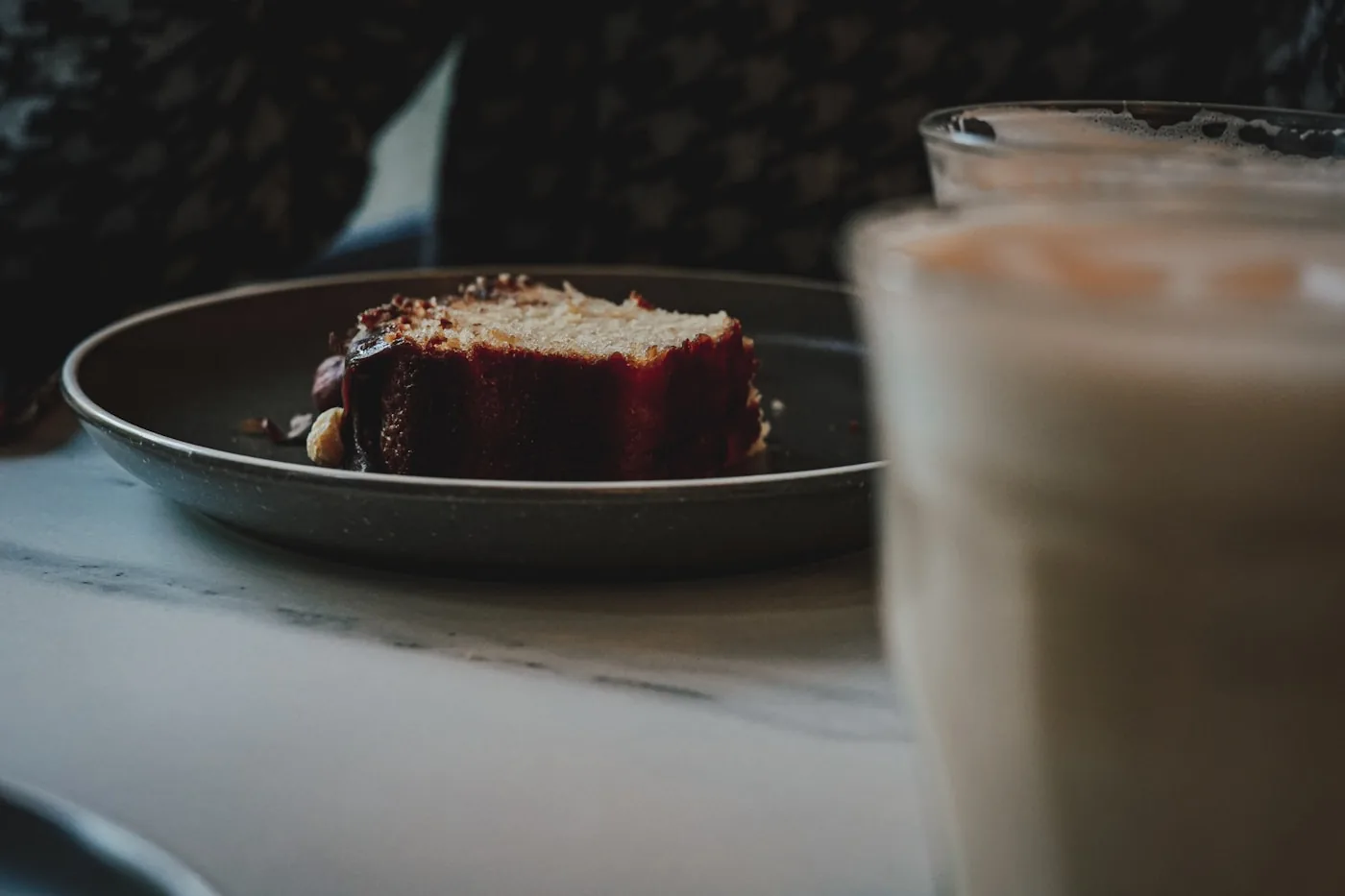
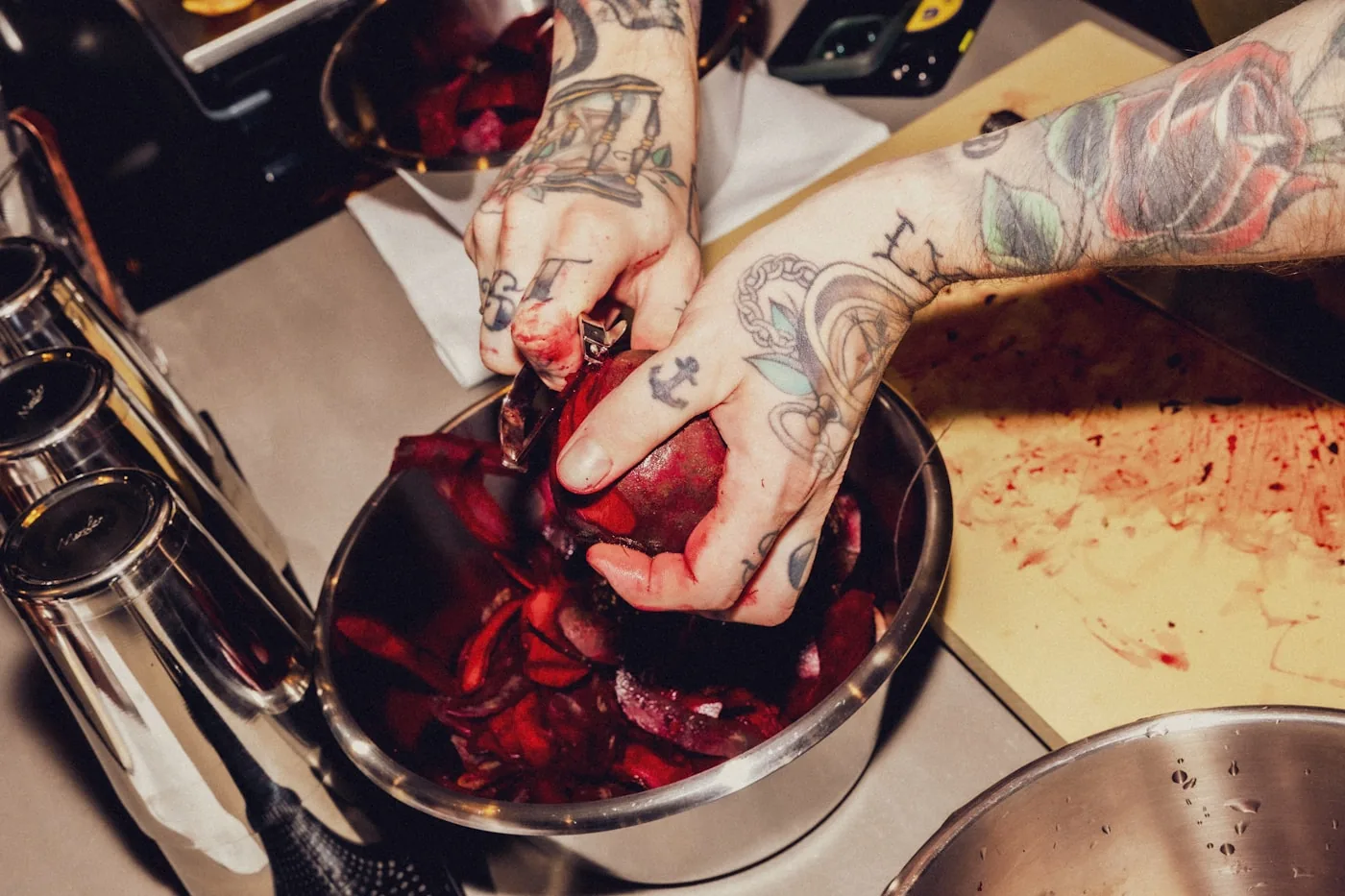
Food styling and lighting: what happens on the plate
Test plate first, then the hero plate
Light and framing are set up with a test plate that won't be eaten. The hero plate arrives the moment it leaves the kitchen; steam, sauce shine and melted cheese fade within minutes, so it never waits.
Before the shoot day in the kitchen and dining room
The most common cause of delays in food shoots is kitchen-side preparation. Sharing this list with your chef will shorten the shoot day.
Kitchen
Before the shoot
Dining room
Before the shoot
For the brief
Before the shoot
Delivered files
If publishing the photos is also on your plate, see our Instagram management and social media video pages for content calendars and posting.
Menu and QR menu
File
JPG, sRGB, usually square or landscape; all items in the same ratio
Note
If the menu design is set, the ratio is chosen to match it; cropping to different ratios later reduces quality.
What does a shoot day look like?
Restaurant shoots are usually built around service hours. Venue shots are taken while the dining room is empty, and dishes are shot as they come out of the kitchen one by one.
Let's talk about your project
Book a call ↗Morning: lighting and surface setup; angle and framing are locked in with the first "test plate" from the kitchen
Before service starts: venue shots of the dining room, bar and terrace while they're empty
Dishes are shot in list order, each one the moment it leaves the kitchen; no plate is left to go cold
Short video and vertical social media frames are captured with the same setup
A first selection is made at the end of the day; retouching and delivery proceed from the chosen shots
Our Process
Brief and dish list
We pin down which dishes will be shot for which uses, and set the tone using example images.
Surface and plate selection
Your own plates and our surface options are tested together, and a single setup is locked in for the menu.
Shoot day
Venue shots first, then the dishes in list order; short video with the same setup if needed.
Selection, retouching, delivery
The selected shots are retouched and delivered in separate folders by intended use.
Frequently Asked
Questions
It depends on how complex the dishes are and how many angles each needs. For menu items shot on the same surface from a single angle, 25–40 plates can usually be shot in a day. If you want multiple angles per dish, different surfaces or scenes with models, that number drops considerably. We base the quote on your dish list.
Because food needs to come straight from the kitchen while hot, we shoot most restaurant work on location and bring the lighting and surfaces we need. Packaged food products, bakery items or shoots requiring a white background are more consistent in a studio setting.
The dishes and ingredients are prepared by your business. For plates and glassware, our first choice is the tableware you actually use; customers should see the same plate at the restaurant. We bring the surfaces, linens and small props.
Usually it's handled in the same shoot, but the framing is different. Since apps shrink images and crop them to their own ratio, we shoot the dish centered and on its own, with margin around the edges. Files are exported separately according to each platform's current size rules.
Light, angle and clean presentation show food at its best; that's the goal. But enlarging portions, changing colors or adding ingredients that aren't on the plate are things we don't do. With delivery especially, customers compare what arrives with the photo, and any gap turns into negative reviews.
During the first shoot, we record the lighting, surface and camera settings. New dishes are later shot with the same setup so they match the other photos on the menu. Short follow-up shoots can be planned for seasonal menu changes.
Yes. Short 5–15 second clips such as sauce pours, slicing or plating can be built into the photo shoot with the same styling. For a more extensive social media video series or a commercial, we recommend a separate shoot day.